Monday, August 15, 2011

TOKONAME YAKI (常滑焼き)-Ceramics of Aichi Prefecture


Unsen Gama

This marbled (neriage) set of tea cups was made by Konishi Yusen

Pickle/Miso jar


Tokoname is also known for producing Ikebana ware. 


Hishoku kiln made ikebana ware since the Taisho period, but closed in 2013.
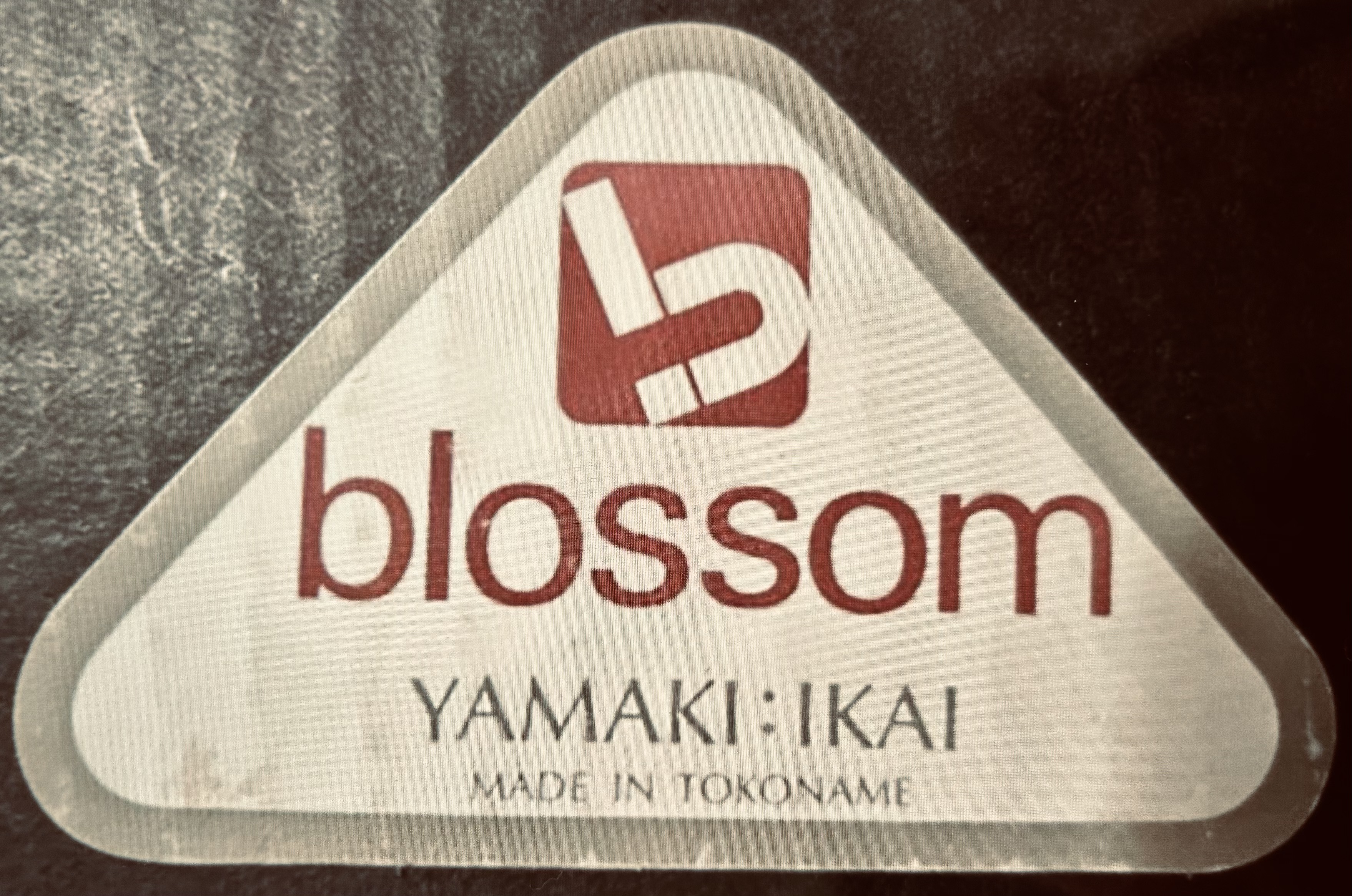
Yamakiikai

https://www.yamakiikai.co.jp/index.html


I have googled high and low many times to long the producer with this mark. There is 
precious little. On a hunch I decided to specifically google for Tokoname Yaki, as they are known for making products for ikebana flower arranging. I came up with a hit for Kiri Tobo 桐陶房. The manufacturer may have gone out of business before the arrival of google. Most look to be late 20th C, perhaps 1970’s-1990’s.   I have only seen this mark on vases or flower vessels. For now I think this is the answer. 
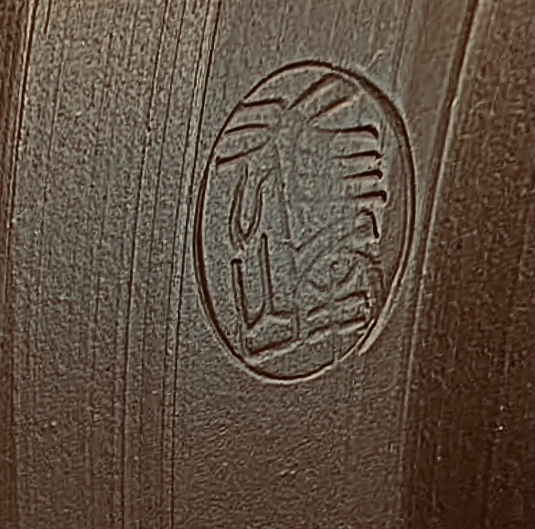

Yūhō 雄峰


Saturday, August 13, 2011

KYOEIGAMA-Pottery of Aichi Prefecture


Kyoeigama is in Aichi Prefecture. A popular design is the cobalt blue with a floral and pheasant pattern.

Thursday, June 30, 2011

KOISHIWARA YAKI (小石原焼き)-Ceramics of Fukuoka Prefecture


Koishiwara Yaki (sometimes spelled Koishibara and Koishihara ) is wonderful traditional folk art from a small mountainous area in Fukuoka Prefecture.


Izumikanekichi gama


This covered dish has "chatter marks", called tobiganna, which is common in the pottery of Koishiwara and Onta in Kyushu. Being individually handmade, each piece although similar, is unique in its own way.  The potters take pride in making pottery for daily use, not to just be an ornament to look at.

To the left is the Koishiwara mark.  To the right is the kiln mark which I think is the "Maruwa" mark which is a circle (maru) with the "Wa" character inside.


MARUWA Mark


        Marudai MARK


         Marudai MARK


Cups made for sale after the devastating floods in 2017 that wiped out most of the town in Koishiwara.
Made by the Kajiwara Family at Yamamaru gama. 

http://en.toho-info.com/po_kama/k01_yamamaru.html

Although not a common glaze for Koishiwara yaki, this wonderful bowl is a favorite of mine. I had it for about 8 years before I discovered its origin.


Yanase Kamamoto


Yamaichi Gama


OTA MINORU GAMA 


UNMARKED ( many vintage are not marked)


General decorative techniques used in Koishiwara yaki include:
Chatter marks-Tobiganna
Brush marks-Hakeme
Combing-Kushime
Finger wipes-yubi-egaki
Dripping-Nagashigake
Splashing-Uchikake
Carmel glaze-Ame-yu 
                                                                                 Ame-yu


A form of Brush work (hakeme)

This Onta Yaki jar shows examples of chatter marks (tobiganna)  and combing (kushime)


This example is Onta Yaki, they use the same techniques

Splash  (uchikake) and drip (nagashigake)

*In several English language books on Japanese ceramics, Onta and Koishiwara Yaki,  I noticed that the word Kasuri-mon was used for chatter marks along with Tobikanna. I don't know where Kasuri-mon came from as I cannot find it used that way in Japanese for other than fabrics. Tobikanna or Tobiganna is the only word used in Japanese that I could find.

Links:
http://koishiwara.jp/english/concept.html
http://nippon-kichi.jp/article_list.do?ml_lang=en&p=1353
http://www.koishiwarayaki.or.jp/kumiai/kama_04.html


Tuesday, May 31, 2011

KANEDAI

There is not much about Kanedai China to be found in English on line, although there are many sites selling replacements, sets or pieces of various patterns. The common patterns seen on ebay, etc. are Ivy, Canyon Pine, and Romany. I have seen one made in Occupied Japan, so that would have placed the manufacture in the late 1940's or so. 


What I found in Japanese is that the company, Kanedai Shirokiya, Inc.,  was established in 1902. It is located in Toki City, Gifu, Japan. This region ( Gifu-Mino and Aichi-Seto) produces most of the tableware used in Japan, as well as exports. 
http://www.kanedai.co.jp


This pattern of china seems to have been quite popular. Various pieces of the original set are sold on many internet sites. 

Monday, May 30, 2011

TANBA YAKI (丹波焼き)-Ceramics of Hyogo Prefecture

Tanba yaki is made in Hyogo prefecture.  It is also translated as Tambayaki.  You can read a little more about Tanba yaki  at http://www.2000cranes.com/index.html.


You can check out the Tanba Yaki kilns map at http://www.tanbayaki.com/t_map_main.html.  It helps to read some Japanese.


Right hand mark is Tanba-yaki, the round mark is the MARK for Sugihara Shouji
                                                                      杉原 彰二
                              
                                                          Sugihara Gama

Link: http://www.tanbayaki.com/kamamoto_shosai/06.htm

Link:     http://dan-sho.com/menu/29015


Tanba-yaki Maruhachi (丸八窯 ) Kiln MARK
                                                  ****************

I enjoyed a lovely visit to the Tanba Pottery area in Hyogo Prefecture in early March.  We visited the Museum of Ceramic Art, Hyogo with a display of the works of Ogata Shuhei.  We also visited Chindai Kiln, Noborigama Kiln and also visited the Chiyoichi store and Gallery.

Here are some of my pieces by Shimizu Chiyoichi with his mark. I had looked high and low for quite a long time to find the origin of this mark.  We just happened by the gallery on our visit to Tanba pottery kilns. I was thrilled to not only put the mark with my pieces, but also to meet Mr. Shimizu.

SHIMIZU CHIYOICHI


**************************************************

ICHINO TOUZAN (市野陶山)


This is known as "teoke" hand bucket

       
 NOBORI GAMA (のぼり窯 )    


This is one of my favorite vases to put small flowers in. It looks great with a few flowers poking out of the cracks. So "Wabi-Sabi".
               

SHOYO GAMA (昇陽窯 )


LINK:  http://sho-yo-gama.com


*******************************************


ICHINO SHOZO GAMA 市野省三窯


CHINTAI GAMA


Featured Post

Helpful Vocabulary When Researching Japanese Ceramics

Vocabulary when searching for Japanese Ceramics *I will be adding to this list Dating   ( 江戸) Edo Period (1603-1868)   (江戸 前期) Ea...